

Local anesthesia makes a hair transplant essentially pain-free during the procedure itself, though the numbing injections cause brief discomfort at the start. Modern clinics use pressure (needle-free) anesthesia and gentle techniques to minimize even that, and most patients report only mild soreness for a few days afterward that is easily managed with standard painkillers. This guide explains exactly what you feel at each stage, how the anesthesia works, and how comfort is maintained from your first injection to full recovery.
Key Takeaways
- During the procedure you feel almost nothing. Once the local anesthetic takes effect, both the donor and recipient areas are fully numb, so extraction and implantation are painless.
- The most uncomfortable moment is the initial numbing, which lasts only a few minutes. Pressure (needle-free) anesthesia can reduce this significantly.
- Post-operative soreness is mild to moderate and typically peaks in the first 2 to 3 days, then fades within a week.
- Local anesthesia is very safe when administered by trained medical staff, with serious reactions being rare.
- The donor area is usually more tender afterward than the recipient area, but both are manageable with prescribed medication.
- Sedation is optional and available for anxious patients, but the vast majority complete the procedure comfortably with local anesthesia alone.
Does a Hair Transplant Hurt During the Procedure?
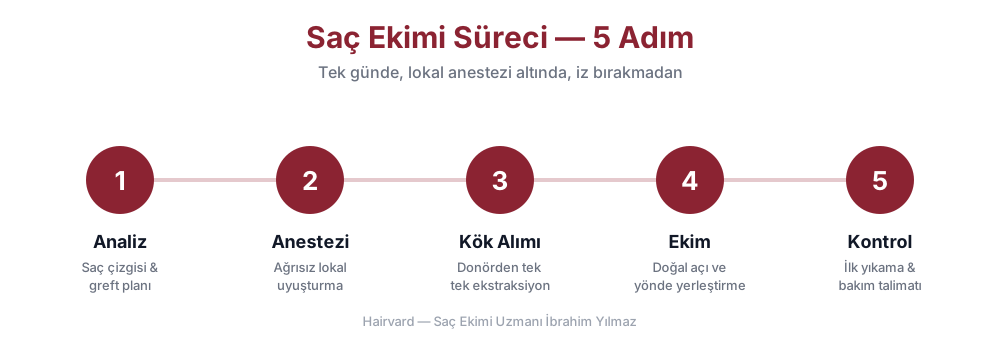
For the great majority of the operation, no. A hair transplant is performed under local anesthesia, which completely numbs the treated regions of your scalp. Once you are numb, the two main technical steps, harvesting follicles from the donor area and implanting them into the recipient area, produce no pain. Most patients are relaxed enough to talk, listen to music, watch a film, or even nap through the several hours the procedure takes.
The single part people describe as uncomfortable is the administration of the anesthetic at the very beginning. This involves a small stinging or pinching sensation as the numbing solution is introduced, similar to the feeling at a dentist's office. It is brief, and once the medication takes hold, the sensation disappears entirely for the rest of the session. Understanding the full hair transplant procedure helps set realistic expectations before you arrive.
How Local Anesthesia Works
Local anesthesia temporarily blocks the nerve signals in a specific area of the body so that the brain does not register pain from that region. For a hair transplant, the anesthetic is applied only to the scalp, meaning you remain fully awake and alert while the treated zones lose all sensation.
The process generally follows these steps:
- Cleaning and preparation of the donor and recipient areas.
- A topical or pressure-applied numbing agent to dull the skin surface before injection.
- Injection of local anesthetic (commonly lidocaine, often combined with adrenaline to reduce bleeding and prolong the effect) around the treatment zones.
- A short waiting period of a few minutes while the area becomes completely numb.
- Verification of numbness by the specialist before any extraction begins.
The adrenaline component also constricts small blood vessels, which reduces bleeding and helps the anesthetic last longer, so top-ups are needed less frequently during a long session.
Needle-Free (Pressure) Anesthesia Explained
Many patients worry specifically about the injection needles. To address this, modern clinics increasingly use needle-free pressure anesthesia, delivered by a device that pushes the anesthetic through the skin using a fine, high-pressure jet rather than a traditional needle.
The main advantages are:
- Less initial discomfort, since there is no needle penetration for the first layer of numbing.
- Reduced anxiety for patients with a fear of needles.
- Faster, more even distribution of the numbing agent across the surface.
In practice, pressure anesthesia is often used to numb the skin first, and any follow-up injections that are still required are then far less noticeable. This combination makes the numbing stage considerably more comfortable than it was with older, needle-only methods.
What You Feel at Each Stage
Sensation varies from one stage of the process to the next. The table below outlines a typical experience and the comfort level associated with each phase.
| Stage | What You Feel | Comfort Level |
|---|---|---|
| Pre-op consultation and planning | No physical sensation | Fully comfortable |
| Cleaning and skin preparation | Light touch, cool cleaning solution | Fully comfortable |
| Applying anesthesia | Brief stinging or pressure | Mild, short-lived discomfort |
| Waiting for numbness | Tingling, then loss of sensation | Comfortable |
| Follicle extraction (donor) | Numb; possibly light pressure | Painless |
| Channel opening (recipient) | Numb; no pain | Painless |
| Implantation of grafts | Numb; no pain | Painless |
| Immediately after (anesthesia wears off) | Gradual return of sensation, mild soreness | Mild discomfort |
As the table shows, the only stage rated as genuinely uncomfortable is the application of anesthesia, and that lasts just a few minutes out of a procedure that can run six to eight hours.
Donor Area vs Recipient Area: Which Hurts More?
The donor area (usually the back and sides of the head, where follicles are harvested) tends to feel more tender in the days after surgery. Because thousands of tiny extraction points are created there, it can feel tight, sore, or slightly swollen once the anesthesia fades.
The recipient area (where new grafts are placed) is generally less painful but may feel sensitive and can develop mild swelling, sometimes extending to the forehead in the first couple of days. Scabbing and itching are common here as healing begins, but these are signs of normal recovery rather than pain.
| Feature | Donor Area | Recipient Area |
|---|---|---|
| Sensation during surgery | Numb, painless | Numb, painless |
| Post-op tenderness | Moderate, tight feeling | Mild sensitivity |
| Swelling | Occasional | More common, may reach forehead |
| Itching | Mild | Common during scab healing |
| Typical soreness duration | 3 to 7 days | 2 to 5 days |
Proper aftercare keeps both areas comfortable. Following the recovery timeline closely helps you know what is normal at each point.
Post-Operative Soreness: What to Expect and for How Long
Once the local anesthesia wears off, usually within a few hours of finishing, you may notice a dull ache, tightness, or throbbing in the treated areas. For most people this is comparable to the soreness after a minor dental procedure and responds well to standard pain relief.
A general timeline of post-operative discomfort looks like this:
- Day of surgery (evening): Mild soreness begins as numbness fades. Sleeping semi-upright is often recommended.
- Days 1 to 3: Peak tenderness and any swelling. This is the most sensitive window.
- Days 4 to 7: Soreness eases noticeably; scabs begin forming and itching may start.
- Week 2 onward: Discomfort is usually gone; scabs fall away and the scalp settles.
Serious pain is uncommon. If you experience severe, worsening, or persistent pain beyond the first week, or notice signs of infection such as spreading redness, pus, or fever, you should contact your clinic promptly.
Pain Management: How Comfort Is Maintained
Comfort is managed at every phase, not just during surgery. The table below summarizes the tools used before, during, and after the procedure.
| Phase | Method | Purpose |
|---|---|---|
| Before numbing | Topical or pressure anesthesia | Dulls the skin surface |
| During numbing | Local anesthetic injection | Fully numbs the treatment zones |
| During surgery | Anesthetic top-ups as needed | Maintains complete numbness |
| Anxious patients | Optional sedation | Promotes relaxation and calm |
| First days after | Prescribed pain relievers | Controls post-op soreness |
| Recovery period | Cold compresses, correct sleeping position | Reduces swelling and tightness |
Your prescribed painkillers, typically simple over-the-counter analgesics, should be taken exactly as directed. Any anti-inflammatory or antibiotic medication is provided and used under medical supervision. Good preparation also plays a role, so reviewing the hair transplant preparation guidance beforehand can make your recovery smoother.
Is Anesthesia Safe for a Hair Transplant?
Local anesthesia has a long, well-established safety record and is one of the most commonly used forms of anesthesia in medicine. Because it works only on a targeted area and does not put you to sleep, it avoids the higher risks associated with general anesthesia. You stay conscious, breathing on your own, and able to communicate throughout.
To keep the procedure safe, a responsible clinic will:
- Review your medical history, allergies, and current medications beforehand.
- Calculate safe anesthetic doses based on your weight and health.
- Monitor you throughout the session.
- Have emergency protocols and trained staff on hand.
Serious reactions to local anesthetic are rare. Mild, temporary effects such as slight dizziness, a raised heartbeat from the adrenaline, or minor bruising at injection sites can occur but typically resolve quickly. Disclosing your full medical history is the single most important thing you can do to keep the process safe.
Sedation: When Is It Used?
For patients who feel very anxious, sedation can be offered alongside local anesthesia. Sedation does not replace the numbing, it simply helps you feel calmer and more relaxed, and some patients drift into a light doze. It is usually mild (oral or, in some settings, intravenous) and is administered under medical supervision with appropriate monitoring.
Most patients do not require sedation and complete the procedure comfortably with local anesthesia alone. If you know you struggle with medical anxiety or needle phobia, mention it during your consultation so the team can plan the most comfortable approach for you.
Tips for a More Comfortable Experience
A few simple steps can make the whole experience easier:
- Get a good night's sleep before the procedure and eat a normal breakfast.
- Avoid alcohol and caffeine in the day or two beforehand, as advised.
- Tell your specialist if you feel discomfort at any point, so anesthesia can be topped up.
- Wear comfortable, button-up clothing so you do not have to pull anything over your head afterward.
- Arrange to rest for the remainder of the day after surgery.
- Follow all aftercare instructions precisely, especially regarding sleeping position and washing.
Frequently Asked Questions
Is a hair transplant painful during the procedure?
No. After the local anesthetic takes effect, the scalp is completely numb, so follicle extraction and implantation are painless. The only briefly uncomfortable part is the initial numbing injection.
How bad is the pain of the anesthesia injection?
It is usually described as a brief stinging or pinching, similar to a dental injection. It lasts only a few minutes, and needle-free pressure anesthesia can reduce it further.
What is needle-free anesthesia?
It is a method that delivers the numbing agent through the skin using a high-pressure jet instead of a needle. It reduces initial discomfort and is helpful for patients with a fear of needles.
Does the donor or recipient area hurt more?
The donor area is usually more tender afterward because many small extraction points are created there. The recipient area tends to be milder but can swell and itch during healing.
How long does the soreness last after a hair transplant?
Soreness typically peaks in the first 2 to 3 days and fades within about a week. Mild itching from scabbing may continue slightly longer as the scalp heals.
What kind of painkillers will I need?
Most patients only need simple over-the-counter analgesics prescribed by the clinic. Any additional medication is provided and used under medical supervision.
Will I be awake during the hair transplant?
Yes. A hair transplant is done under local anesthesia, so you stay fully awake and alert. You can talk, listen to music, or rest during the session.
Is local anesthesia safe?
Local anesthesia has an excellent safety record and is widely used across medicine. When administered by trained staff after a proper medical review, serious reactions are rare.
Can I have sedation if I am anxious?
Yes. Sedation can be offered alongside local anesthesia for anxious patients to help them relax. It is optional, mild, and given under medical supervision.
Will I feel the follicles being extracted or implanted?
No pain. You may occasionally sense light pressure or movement, but the numbing prevents any actual pain during extraction and implantation.
Is the swelling after surgery painful?
Swelling is usually more uncomfortable than painful and often affects the forehead in the first few days. Cold compresses and keeping your head elevated help reduce it.
When should I contact the clinic about pain?
Contact your clinic if you have severe, worsening, or persistent pain beyond the first week, or any signs of infection such as spreading redness, pus, or fever.
Does the pain affect the final result?
No. The mild, temporary discomfort of recovery has no bearing on how your transplant grows in. Following aftercare instructions is what protects your results.
How can I make the procedure more comfortable?
Sleep well beforehand, eat a normal breakfast, tell your specialist if you feel anything during numbing, and follow all aftercare guidance closely afterward.
This article was medically reviewed by Ibrahim Yilmaz, Hair Transplant Specialist at Hairvard, a clinic licensed by the Turkish Ministry of Health. It is intended for general information and does not replace a personal medical consultation. For tailored advice on comfort, anesthesia options, and your suitability for treatment, we invite you to book a free hair analysis with our team.