

Since the output is my return value (not a file), I'll compose the full markdown article directly as my final response.
Regenerative hair loss can often be slowed or stopped, but the right approach depends entirely on what is causing it. For most people, effective treatment combines an accurate diagnosis with proven medical options (such as minoxidil or finasteride under medical supervision), supportive therapies like PRP, and better nutrition, lifestyle, and hair care. Where follicles are permanently lost, a hair transplant is the only way to restore growth. This guide explains each method, how well it works, and when to see a specialist.
Key Takeaways
- Identify the cause first. Hair loss from stress, diet, or illness is often reversible; genetic (androgenetic) loss is progressive and needs ongoing treatment.
- Medical treatments work best early. Minoxidil and finasteride (the latter for men, always under medical supervision) are the most evidence-backed options for slowing and partially reversing thinning.
- Supportive therapies help. PRP and mesotherapy can strengthen existing follicles but do not regrow hair from permanently dead ones.
- Nutrition and lifestyle matter. Iron, protein, vitamin D, and stress management directly affect the hair growth cycle.
- Consistency is essential. Most treatments take 3–6 months to show results and must be continued to maintain them.
- Permanent loss needs a transplant. When follicles are gone, only surgical restoration such as FUE hair transplant can restore natural growth.
Step One: Identify Why You Are Losing Hair
You cannot stop hair loss effectively until you know what is driving it. Losing 50–100 hairs a day is completely normal. Concern is warranted when you notice a widening part, a receding hairline, a thinning crown, visible scalp, or clumps of hair on your pillow or in the shower.
Different causes call for very different treatments. A blood test and scalp examination by a specialist can distinguish between reversible and permanent forms. For a fuller breakdown, see our detailed guide on the causes of hair loss.
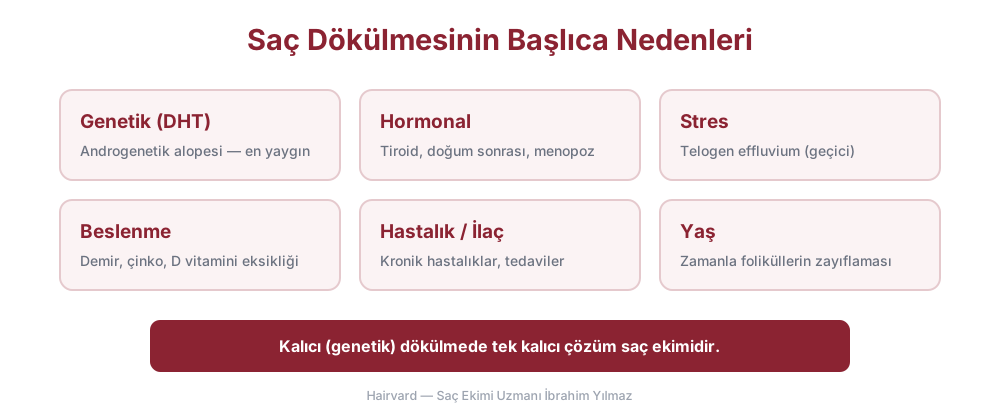
| Cause | Typical Signs | Reversible? |
|---|---|---|
| Androgenetic (genetic) | Gradual hairline recession, crown thinning | No — but treatable |
| Telogen effluvium (stress, illness) | Sudden diffuse shedding all over | Usually yes |
| Nutritional deficiency | Diffuse thinning, brittle hair | Yes |
| Thyroid / hormonal | Thinning plus other symptoms | Often yes |
| Traction (tight styles) | Loss at hairline and temples | Early stages yes |
| Autoimmune (alopecia areata) | Round, patchy bald spots | Sometimes |
Medical Treatments That Work
The two treatments with the strongest clinical evidence are minoxidil and finasteride. They are most effective for androgenetic hair loss and work best when started early, before follicles are lost entirely.
Minoxidil
Minoxidil is a topical solution or foam (also available as a low-dose oral tablet under medical supervision) applied to the scalp. It extends the growth phase of the hair cycle and improves blood flow to follicles. It suits both men and women and is available without a prescription in topical form.
Expect early shedding in the first weeks, which is normal, followed by visible improvement around months 3–6. Benefits are maintained only while you keep using it.
Finasteride
Finasteride is an oral tablet, prescribed for men, that blocks DHT — the hormone responsible for shrinking genetically sensitive follicles. It is one of the most effective options for slowing male pattern baldness and, in many cases, promoting regrowth. Because it affects hormone levels, finasteride must always be taken under medical supervision, and any side effects should be discussed with your doctor. It is not suitable for women who are or may become pregnant.
| Medical Treatment | Form | Best For | Timeframe |
|---|---|---|---|
| Minoxidil | Topical / oral | Men and women, most thinning | 3–6 months |
| Finasteride | Oral tablet | Male pattern baldness | 3–6 months |
| Ketoconazole shampoo | Shampoo | Supportive, scalp health | Ongoing |
| Oral supplements | Tablet | Deficiency-related loss | 3+ months |
PRP and Mesotherapy
Platelet-rich plasma (PRP) therapy uses a small sample of your own blood, processed to concentrate growth factors, which is then injected into the scalp. It can strengthen weak follicles, improve density, and support the results of other treatments. It works on follicles that are still alive — it cannot revive follicles that are already gone.
Mesotherapy delivers vitamins, minerals, and other nutrients directly into the scalp to nourish follicles. Both are non-surgical, carried out over several sessions, and often used alongside medical treatment rather than instead of it. Learn more in our guide to PRP hair treatment.
| Therapy | How It Works | Realistic Benefit |
|---|---|---|
| PRP | Growth factors from your own blood | Stronger, denser existing hair |
| Mesotherapy | Nutrient injections into scalp | Improved follicle nourishment |
| Combined with minoxidil | Layered approach | Better overall outcomes |
| On dead follicles | No effect | Transplant required |
Nutrition for Healthier Hair
Hair is made of protein, and follicles are among the most metabolically active cells in the body. Deficiencies show up in your hair before almost anywhere else. Correcting them will not help genetic loss, but it can stop or reverse shedding caused by poor diet.
- Protein — the building block of hair; include eggs, fish, legumes, and lean meat.
- Iron — low iron (ferritin) is a common, often overlooked cause of thinning, especially in women.
- Vitamin D — linked to the hair growth cycle; many people are deficient.
- Zinc and biotin — support follicle repair and keratin production.
- Omega-3 fatty acids — reduce inflammation and support scalp health.
Take supplements only to correct a confirmed deficiency. Mega-dosing does not grow more hair and, in the case of some nutrients, can cause harm.
Lifestyle Factors You Can Control
Everyday habits influence the health of your hair more than most people realise. Chronic stress can push large numbers of follicles into the shedding phase, producing noticeable loss two to three months after a stressful event. Sleep, smoking, and crash diets all play a role too.
- Manage stress through sleep, exercise, and relaxation techniques.
- Do not smoke — smoking reduces blood flow to follicles.
- Avoid crash diets — rapid weight loss commonly triggers shedding.
- Treat underlying conditions such as thyroid disorders or anaemia.
- Limit alcohol, which can interfere with nutrient absorption.
Proper Hair Care
Gentle handling will not cure genetic hair loss, but poor habits can accelerate breakage and traction loss that make thinning look worse.
- Avoid tight ponytails, braids, and buns that pull on the hairline.
- Use a mild, sulphate-free shampoo and do not over-wash.
- Limit heat styling and harsh chemical treatments.
- Be gentle when hair is wet, as it is most fragile then.
- Protect your scalp from prolonged sun exposure.
Temporary vs Permanent Hair Loss
Understanding whether your loss is temporary or permanent determines which methods will actually work. Temporary loss responds to treating the underlying cause; permanent loss requires medical maintenance or surgical restoration.
| Feature | Temporary Loss | Permanent Loss |
|---|---|---|
| Common causes | Stress, diet, illness, hormones | Genetics, scarring, dead follicles |
| Regrowth on its own | Often yes | No |
| Best response | Treat the cause | Medical + transplant |
| Reversible with medication | Frequently | Slowed, not fully reversed |
| Transplant needed | Rarely | Often the only solution |
When to See a Specialist
Book an assessment if shedding is sudden or heavy, if you see bald patches, if there is a clear family pattern of baldness, or if over-the-counter options have not helped after several months. Early professional advice gives you the widest range of treatment choices and the best chance of preserving your hair.
At Hairvard in Atasehir, Istanbul, a specialist can examine your scalp, run the necessary tests, and build a plan tailored to your specific cause — from medical therapy to surgical options.
Hair Transplant for Permanent Loss
When follicles are permanently gone, no cream, tablet, or injection can bring them back. A hair transplant is the only method that restores natural, permanent growth. Modern techniques such as FUE move your own DHT-resistant follicles from the back of the scalp to thinning areas, where they continue to grow for life.
A transplant is often combined with ongoing medical treatment to protect the hair you still have. To understand the procedure in detail, read what is a hair transplant. At Hairvard, transplant procedures range from EUR 2,200 to 4,800 depending on the number of grafts and technique used.
Frequently Asked Questions
Can hair loss be stopped completely?
It depends on the cause. Temporary loss from stress, diet, or illness can often be stopped and reversed. Genetic loss cannot be cured but can be slowed and managed effectively with treatment.
How long before I see results from treatment?
Most treatments take 3–6 months to show visible improvement, because hair grows slowly. Consistency during this period is essential, and stopping early is the most common reason people see no benefit.
Is minoxidil safe to use long term?
For most people, yes. Minoxidil is well studied and generally well tolerated. Results are maintained only while you continue using it, so it is a long-term commitment. Discuss any concerns with a doctor.
Do I need a prescription for finasteride?
Yes. Finasteride is a prescription medication for men and must be taken under medical supervision because it affects hormone levels. Your doctor will review whether it is suitable for you.
Does PRP regrow lost hair?
PRP strengthens and thickens existing follicles that are still alive. It cannot regrow hair from follicles that have already died, which is why it is used alongside other treatments rather than as a cure.
Can diet alone stop hair loss?
Only if the loss is caused by a nutritional deficiency. Correcting low iron, protein, or vitamin D can reverse that type of shedding, but diet will not stop genetically driven hair loss.
Is hair loss from stress permanent?
Usually not. Stress-related shedding (telogen effluvium) is typically temporary, and hair regrows once the stress is resolved, though it may take several months.
Are natural remedies effective?
A healthy diet, scalp care, and stress management genuinely support hair health. However, no oil, herb, or home remedy has been shown to reverse genetic hair loss the way medical treatments can.
Can women take the same treatments as men?
Women can use minoxidil, PRP, and mesotherapy. Finasteride is generally not prescribed to women of childbearing age. A specialist will recommend the safest option for your situation.
Will a hair transplant stop further hair loss?
A transplant restores hair to bald areas but does not stop your natural hair from thinning. Ongoing medical treatment is usually recommended to protect non-transplanted hair.
At what age should I start treatment?
As soon as you notice consistent thinning. Early treatment preserves more of your existing hair, and results are always better when follicles are treated before they are lost.
How do I know if my hair loss is permanent?
A specialist can tell by examining your scalp and follicles. If follicles are miniaturised but alive, medical treatment may help; if they are gone, a transplant is the appropriate route.
This article was medically reviewed by Ibrahim Yilmaz, Hair Transplant Specialist at Hairvard, a clinic licensed by the Turkish Ministry of Health. It is intended for general information and does not replace a personal medical consultation. For a free hair analysis and a treatment plan tailored to your needs, contact our team at +90 530 378 74 87.