

Folliculitis is one of the most common things patients notice in the weeks after a hair transplant, and it can be alarming to see small red bumps or pimples appear across an area you have carefully protected. The good news is that in the overwhelming majority of cases, post-transplant folliculitis is mild, self-limiting, and part of a normal healing process rather than a sign that something has gone wrong. Understanding why it happens, how to care for the scalp gently, and the specific warning signs that warrant a doctor's review will help you respond calmly and appropriately. This guide from Hairvard's Help Center explains what folliculitis is, how to tell it apart from a true infection, and what to do at each stage.
Key Takeaways
- Folliculitis after a hair transplant is inflammation around the hair follicle that usually appears as small red or white-headed bumps, most often between weeks 2 and 10.
- The majority of cases are mild and temporary, resolving on their own or with simple supportive care as the transplanted hairs push through the skin.
- A leading cause is ingrown or trapped hairs, where a new hair struggles to break through the healing skin surface, similar to razor bumps.
- Do not scratch, squeeze, or pick at the bumps; this can worsen inflammation, disturb grafts, and raise the risk of secondary infection or scarring.
- Gentle care matters most: mild cleansing, warm compresses if advised, loose head coverings, and avoiding irritants support faster recovery.
- Folliculitis is not the same as an infection; spreading redness, warmth, significant pain, pus with fever, or feeling unwell suggest infection and need prompt medical review.
- Any topical or oral medication should be used only under medical supervision, as your clinician will tailor treatment to the severity and cause.
- A hair transplant in Istanbul typically ranges from EUR 2,200–4,800, and reputable clinics include follow-up support to help you manage healing questions like these.
What Is Folliculitis After a Hair Transplant?
Folliculitis simply means inflammation of the hair follicles. After a hair transplant, thousands of follicular units are placed into tiny incisions in the recipient area, and the donor area also heals from where grafts were harvested. As the skin repairs itself and new hairs begin to grow, it is common for the follicles to become temporarily irritated. This shows up as small papules (raised bumps) or pustules (bumps with a white or yellow head) scattered across the scalp.
It is important to frame this correctly: seeing a few pimples is usually a signal that hairs are trying to grow, not that your result is failing. In fact, mild folliculitis is so frequently observed during healing that many clinicians consider it an expected part of the journey rather than a complication. The concern is not the presence of an occasional bump, but rather widespread, painful, or worsening lesions that do not settle.
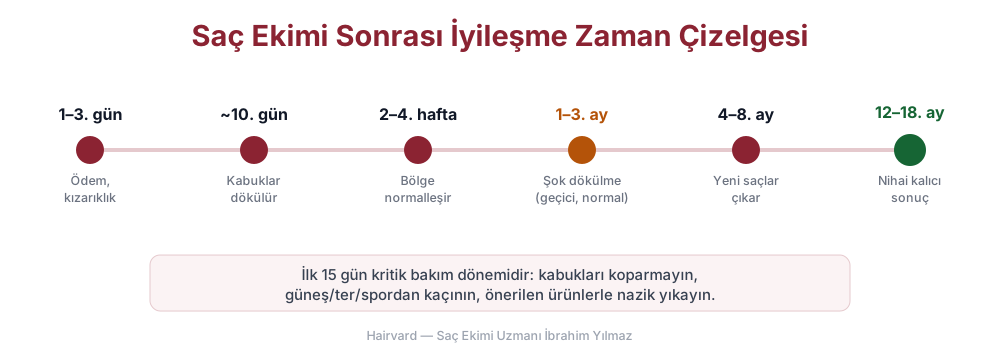
Post-transplant folliculitis tends to appear most often once the initial scabs have separated and the transplanted hairs enter their early growth phase. This overlaps with the wider healing process described in our recovery timeline, where the scalp gradually transitions from raw healing skin to settled, growing follicles.
Why Folliculitis Happens
There are several overlapping reasons folliculitis develops after a transplant. Understanding the cause helps explain why most cases are benign and why gentle handling is so effective.
The most common mechanism is the ingrown or trapped hair. When a new hair begins to grow, it sometimes cannot break cleanly through the surface of the healing skin. Instead it curls back or becomes trapped beneath a thin layer of skin, triggering a localized inflammatory response — much like the razor bumps some people experience after shaving. The body reacts to the trapped hair as if it were a foreign object, producing a small pustule.
Other contributing factors include mild irritation from scabbing, sebum (natural oil) blocking a follicle opening, friction from hats or pillows, and the general sensitivity of skin that is still remodeling. Sterile inflammation of this kind is not driven by bacteria, which is why it often clears without antibiotics.
Less commonly, bacteria such as those normally present on the skin can colonize an irritated follicle and produce a more genuinely infectious folliculitis. This is why distinguishing between sterile and infectious folliculitis, covered below, is so useful.
| Common Cause | What Happens | Typical Nature |
|---|---|---|
| Ingrown / trapped hair | New hair cannot pierce the skin surface and curls back | Usually sterile, mild |
| Sebum or debris blockage | Oil and dead skin block a follicle opening | Usually sterile, mild |
| Friction and pressure | Hats, pillows, or touching irritate follicles | Usually sterile, mild |
| Residual scabbing | Healing crusts irritate the follicle | Usually sterile, mild |
| Bacterial colonization | Skin bacteria multiply in an irritated follicle | Can be infectious |
When Does It Usually Appear?
Timing helps set expectations. While every scalp heals at its own pace, folliculitis follows recognizable patterns during recovery. The table below outlines a general guide; your own experience may differ, and your clinic's specific aftercare instructions always take priority.
| Time After Transplant | What You May Notice | General Guidance |
|---|---|---|
| Days 1–10 | Scabbing, mild redness, tenderness | Follow cleansing instructions; folliculitis uncommon this early |
| Weeks 2–4 | First small bumps as hairs begin to emerge | Usually mild; gentle care, avoid scratching |
| Weeks 4–8 | Peak period for pimple-like folliculitis | Most cases; monitor and use warm compresses if advised |
| Weeks 8–12 | Occasional bumps as growth continues | Typically settling; report persistent clusters |
| Beyond 3 months | Isolated ingrown hairs possible | Uncommon; review if recurring in the same spot |
Most patients find that the bumps come and go, with new ones appearing as others resolve. This ebb and flow is normal during the active early growth phase and does not indicate a problem in itself.
Folliculitis vs Infection: How to Tell the Difference
This is the distinction that reassures most patients. Mild folliculitis and a true infection can look superficially similar, but they behave differently. Sterile folliculitis is typically limited to small, isolated bumps that are only mildly tender and that resolve without spreading. A genuine infection tends to involve expanding redness, increasing pain, warmth, larger collections of pus, and sometimes systemic symptoms such as fever or feeling generally unwell.
The comparison below is a guide to help you communicate clearly with your clinic — it is not a substitute for professional assessment. When in doubt, always ask your clinic, because they can evaluate photos or see you in person.
| Feature | Mild Folliculitis (Common) | Possible Infection (Uncommon) |
|---|---|---|
| Appearance | Small, scattered red or white-headed bumps | Larger, clustered, angry-looking lesions |
| Pain | Mild, itchy or tender | Increasing, throbbing pain |
| Redness | Localized to the bump | Spreading redness around the area |
| Warmth | Minimal | Noticeably warm to touch |
| Pus | Little or none | Significant or foul-smelling discharge |
| Fever / unwell | Absent | May be present |
| Course | Comes and goes, self-limiting | Worsens over hours to days |
If your symptoms align with the right-hand column, contact your clinic or a qualified medical professional promptly rather than waiting. Early review of a suspected infection allows for appropriate, supervised treatment.
Gentle Care: What to Do (and Not Do)
The single most important principle is restraint. The scalp is healing, and the follicles are delicate. Most folliculitis resolves on its own if you simply support the skin and avoid making things worse.
Do not scratch, squeeze, or pop the bumps. It is tempting, especially when they itch, but squeezing a pustule can push inflammation deeper, disturb nearby grafts, introduce bacteria, and increase the risk of scarring. Treat the urge to pick as a signal to apply a gentle care step instead.
Keep the scalp clean using the mild shampoo and washing technique your clinic recommended, letting lather sit briefly rather than scrubbing. Pat, rather than rub, when drying. A warm (not hot) compress held gently against the area for a few minutes can soothe an ingrown hair and encourage it to surface, but only do this if your clinic has said it is appropriate for your stage of healing.
Avoid known irritants: harsh cosmetic products, hair styling chemicals, tight hats, and excessive sun exposure on the healing scalp. Loose, breathable head coverings reduce friction and trapped moisture. Keep pillowcases clean, and try not to sleep directly pressing the recipient area.
| Recommended Gentle Care | Why It Helps |
|---|---|
| Mild cleansing as instructed | Removes debris without irritating follicles |
| Warm compress (if advised) | Soothes and helps ingrown hairs surface |
| Patting dry, not rubbing | Avoids mechanical irritation |
| Loose, breathable head coverings | Reduces friction and trapped heat |
| Clean pillowcases | Limits contact with bacteria and oils |
| Avoiding scratching or squeezing | Prevents deeper inflammation and scarring |
The Role of Medication
For most mild cases, no medication is needed at all — gentle care and time are enough. When treatment is warranted, it is directed by your clinician based on the severity and suspected cause. Options a doctor may consider include antiseptic washes, topical preparations to calm inflammation, or, where a bacterial infection is confirmed or strongly suspected, a course of appropriate antibiotics.
The key point for patient safety is that any such medication should be used only under medical supervision. Self-treating with leftover antibiotics, strong over-the-counter products, or remedies suggested online can mask warning signs, cause irritation, or contribute to resistance. Your clinic knows the details of your procedure and healing and is best placed to advise. If you are ever unsure whether a product is safe to apply to your healing scalp, ask before using it.
When to See a Doctor
While most folliculitis is harmless, certain signs mean you should seek professional review without delay. Contact your clinic or a qualified medical professional if you notice redness that is spreading rather than staying localized, pain that is increasing instead of improving, significant or foul-smelling pus, warmth across the area, or any fever or feeling of being generally unwell. Bumps that persist for many weeks in the same spot, or a cluster that keeps recurring, also deserve assessment.
Seeking review early is never an overreaction. A brief consultation can confirm that everything is normal — which is the most common outcome — or catch a treatable issue before it progresses. Reputable clinics build follow-up into their aftercare precisely so that patients have somewhere to turn with questions like these.
Cost and Aftercare Context
A hair transplant in Istanbul typically ranges from EUR 2,200–4,800, depending on the technique, the number of grafts, and the scope of aftercare included. When comparing clinics, it is worth looking beyond the headline price to what post-procedure support is offered, because complications questions — including folliculitis — are far easier to navigate when you have direct access to your medical team. Clear aftercare instructions, responsive follow-up, and the option to send photos or attend a review all add meaningful value during the months of healing.
Frequently Asked Questions
Is folliculitis after a hair transplant normal?
Yes. Mild folliculitis is a common and expected part of healing for many patients, usually appearing as small bumps between weeks 2 and 10 as new hairs push through the skin. Isolated bumps that come and go are typically not a cause for concern.
Will folliculitis damage my transplanted hair or final result?
In most mild cases, no. Sterile, self-limiting folliculitis usually resolves without affecting the grafts. The greater risk to your result comes from aggressive scratching or squeezing, which can disturb follicles, so gentle handling is the safest approach.
How long does post-transplant folliculitis last?
Individual bumps often settle within days, while the overall tendency to develop them can come and go over several weeks during the early growth phase. If bumps persist for many weeks in one spot or keep recurring, have your clinic review them.
Can I pop or squeeze the pimples to relieve them?
No. Popping or squeezing can push inflammation deeper, introduce bacteria, disturb nearby grafts, and increase the risk of scarring. Instead, use a warm compress if your clinic has advised it, and keep the area gently clean.
How do I know if it is folliculitis or an infection?
Mild folliculitis stays localized, is only mildly tender, and comes and goes. A possible infection tends to spread, become more painful and warm, produce significant pus, and may come with fever or feeling unwell. If your symptoms match the latter, contact your clinic promptly.
Should I stop washing my scalp if I see bumps?
No. Gentle cleansing as instructed by your clinic actually helps by removing debris and oil that can block follicles. What you should avoid is vigorous scrubbing, harsh products, and picking at the bumps.
Are warm compresses safe to use?
Warm (not hot) compresses can soothe an ingrown hair and help it surface, but only if your clinic confirms it is appropriate for your stage of healing. Always follow your specific aftercare instructions rather than general advice.
Can folliculitis appear in the donor area too?
Yes. The donor area also heals and can develop occasional bumps or ingrown hairs. The same principles apply: keep it gently clean, avoid picking, and report any spreading redness, significant pain, or pus to your clinic.
Do I need antibiotics for folliculitis?
Usually not. Most mild folliculitis is sterile and settles with gentle care alone. Antibiotics are only appropriate when a bacterial infection is confirmed or strongly suspected, and they should be used only under medical supervision.
What can I do to reduce the chance of folliculitis?
Follow your clinic's aftercare precisely: cleanse gently, avoid scratching, keep pillowcases clean, wear loose breathable head coverings, and steer clear of harsh products and excessive sun on the healing scalp. These steps reduce irritation and trapped hairs.
When should I contact my clinic urgently?
Reach out promptly if redness is spreading, pain is increasing, there is significant or foul-smelling pus, the area feels warm, or you develop a fever or feel unwell. Early review lets your medical team confirm normal healing or treat any issue before it worsens.
Does folliculitis mean my hair transplant is failing?
No. Folliculitis is not a sign of graft failure. In many cases it reflects new hairs attempting to grow. Graft survival is a separate matter best assessed by your clinician over the following months.
This article was medically reviewed by hair transplant specialist Ibrahim Yilmaz. For personalized guidance, Hairvard offers a free hair analysis so our team can review your individual situation and answer your questions about healing and aftercare.